A visit to my mother’s honeybees beneath an old pecan tree sparked a fascination with bees that has stayed with me ever since.
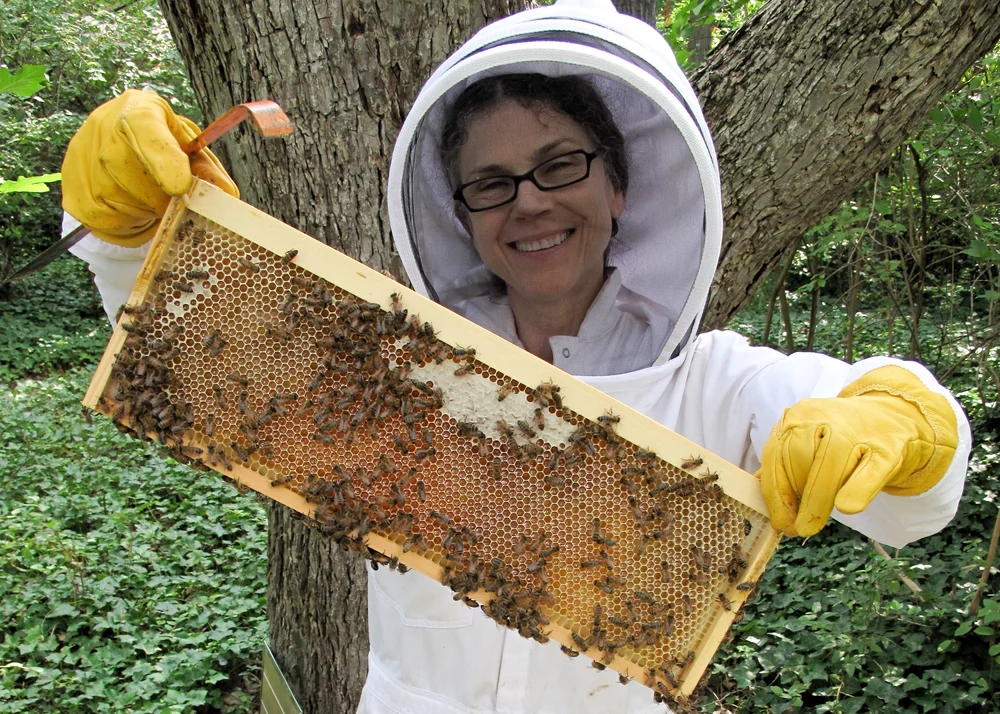
Over the next few years, I began photographing pollinators and became especially interested in honeybees.
As my mother’s colonies grew, so did our conversations about me eventually becoming a beekeeper myself.
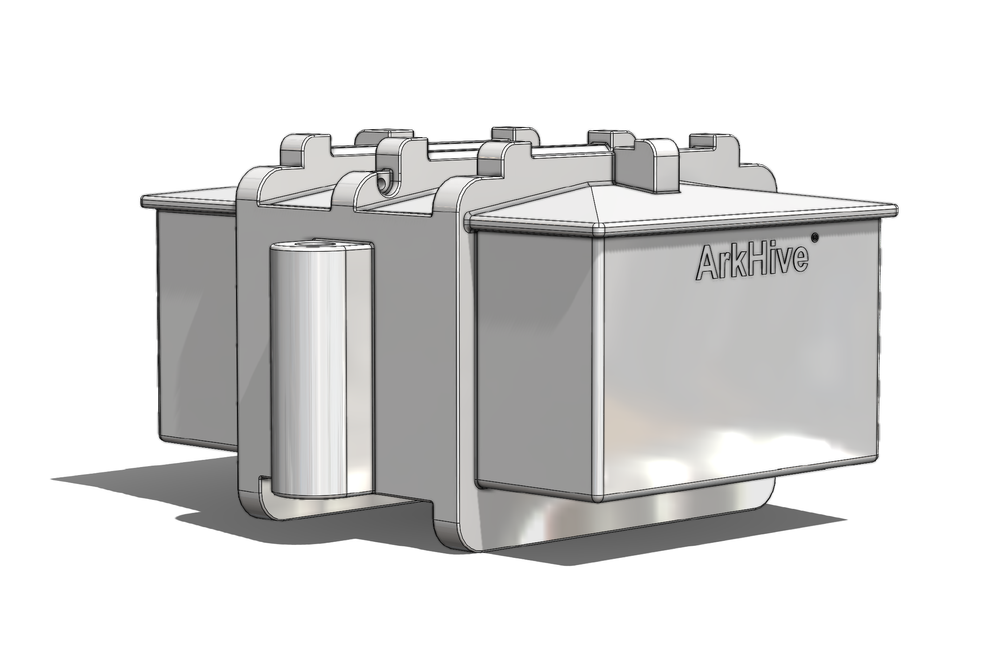
Ready to become a beekeeper but without a suitable yard at my townhome, I began considering stormwater detention basins as possible apiary locations. As I researched ways to protect beehives from water damage if I placed them in flood-prone areas, I learned that honeybee colonies can be damaged or lost during heavy precipitation events. With nothing on the market to protect them, I created my own buoyant solution.
After I shared the idea with a coworker, he expressed an interest in investing and became my business partner. He also came up with the name “ArkHive.” Together, we formed Bee Buoyant, Inc. and began turning the concept into a real product.
My creative father became an important part of building and refining ArkHive prototypes. His carpentry skills helped move the idea from concept toward a working design.
Prototype 6 successfully floated with an 85-pound test load during approximately 2.5 feet of storm runoff in a drainage culvert. ArkHive also became a registered trademark.
Prototype 16 floated with 175 pounds during approximately 4 feet of floodwater and returned safely to the ground as the water receded.
ArkHive reached several major milestones. Prototype 17 lifted 285 pounds during a 2-foot creek swell. Prototype 18 lifted 375 pounds in 3 feet 10 inches of floodwater, and Prototype 19 lifted 375 pounds in 4 feet 8 inches of floodwater. U.S. Patent 11,122,780 was awarded on September 21, 2021.
Prototype 20 was selected as the go-to-market design. Four ArkHives were installed in flood-prone pastureland with live honeybee colonies, and I finally became a beekeeper myself. A Texas rotational-molding manufacturer was also selected for eventual production.
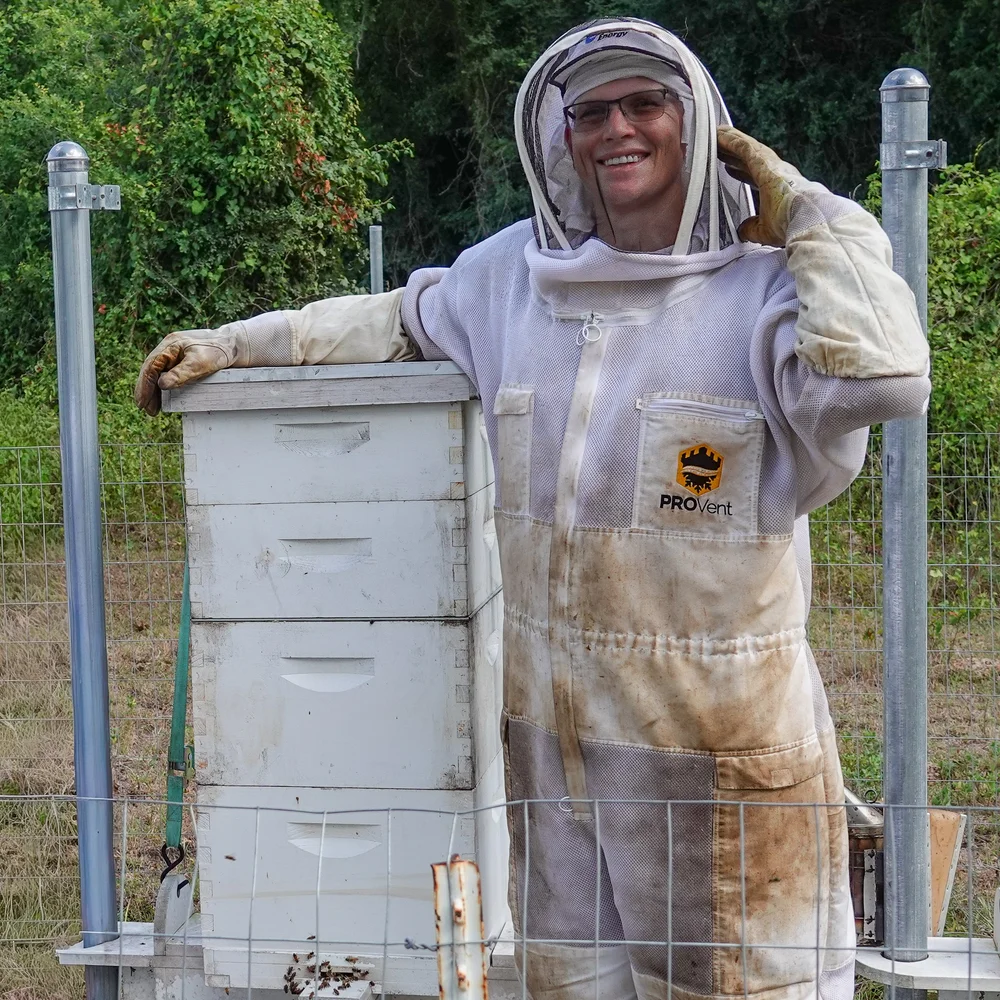
The ArkHive remained installed in the field while the four-hive apiary continued operating, ready for the next significant real-world flood event.
During Hurricane Beryl, creek water rose approximately 6 feet at the test site. ArkHive rose with the floodwater until reaching its maximum stops, which kept it secured to the anchor poles. The water ultimately rose above the ArkHive platform and stopped just below the hive’s bottom board.
Following the Hurricane Beryl validation, the ArkHive was delivered to the selected Texas manufacturer for final measurements, design refinements, and preparation for production.
After years of design, more than 20 prototypes, repeated flood and load testing, patent protection, registered trademark, live-apiary use, and Hurricane Beryl validation, Bee Buoyant is preparing to bring ArkHive into its first production run in Texas with the support of our Kickstarter campaign. What began with a visit to my mother’s bees in 2008 has developed into a patented, field-tested product ready for its next chapter.